 Why use a pressure washer?
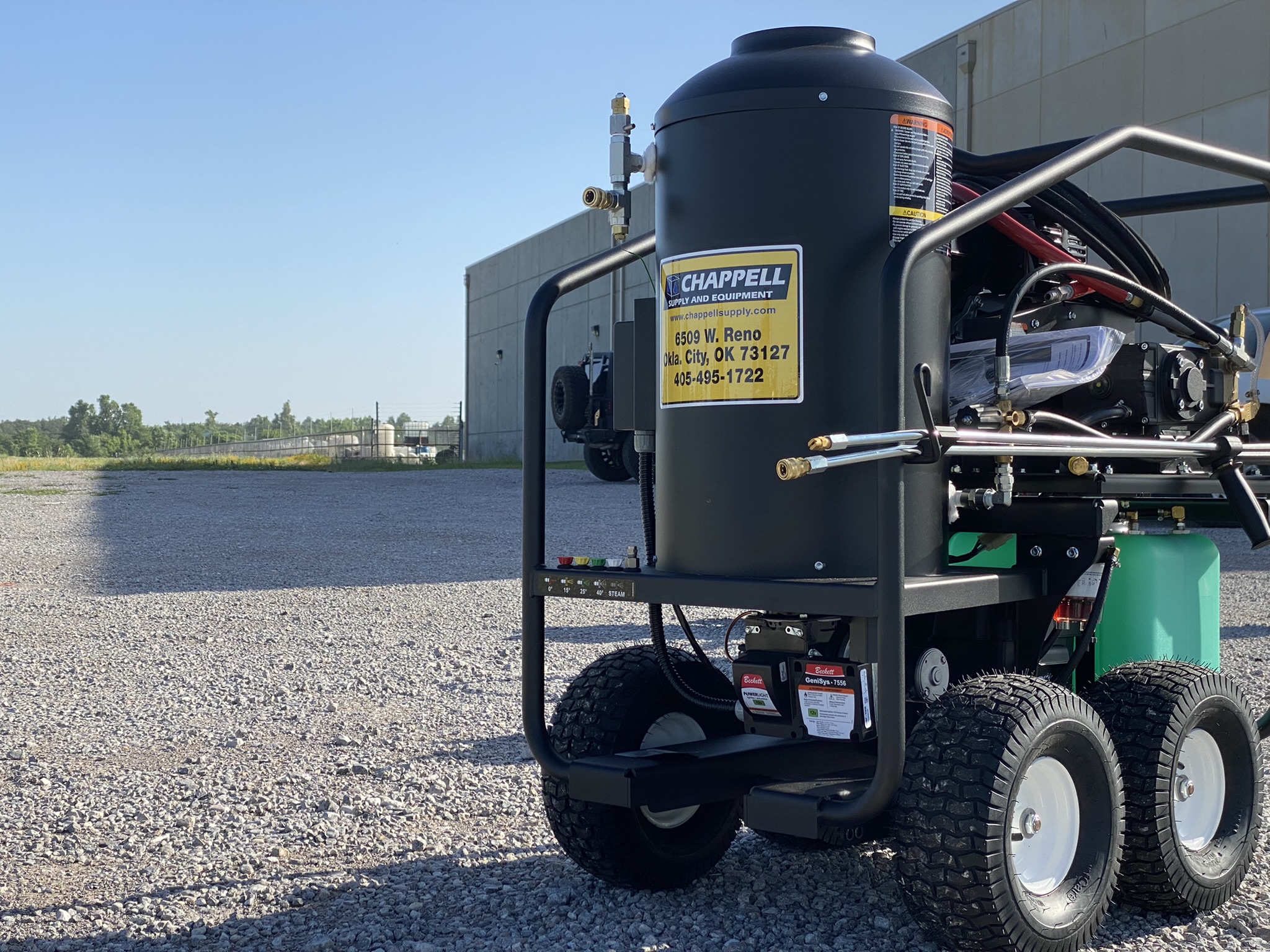
Pressure washers (also known as power washers) use high pressure water spraying to remove mold, mildew, bubble gum, and any other tough stains on surfaces. This cleaning method is commonly used by both homeowners and commercial businesses to improve the appearance of hard to clean surfaces. This method saves you lots of time and produces amazing results.
Should I use a hot water or cold-water pressure washer?
Depends on what you’re using it for! Cold water works for removing dirt on most surfaces and offers plenty of accessories like nozzles, rotating brushes, etc., to help you get the job done. Hot water is ideal for messes that involve grease or oil on them – so think heavy duty.
We always recommend switching to a hot water system if you’re operating your cold water power washer more than a few hours a week. It’ll end up saving you labor and time!
Belt driven or direct drive power washer – which is better?
Belt drive pressure washers are typically used in an industrial setting because they typically require more than 20+ hours of run-time per week. Their high-pressure pumps also spin with less RPM so your unit won’t have as much wear and tear over time.
If you’re planning on using your unit less than 20 hours per week, we recommend a direct drive pressure washer instead. These tend to be more cost-effective and easier to transport due to their size.
Should I be using gas or electric?
This one is completely up to you for the most part, but we’ll lay out the pros and cons of each.
Electric gives you the ability to work indoors without harmful fumes. They’re usually quieter and easier to maintain. You won’t have to combat any gas prices either!
If you go with a gas-powered pressure washer, you’ll have some choice in what type of engine you purchase. You won’t be tethered to a power cord with a gas unit, so more options for portability.
Is GPM more important than PSI?
Both are important! You need the correct combination of to have the best system for your needs.
PSI is the amount of pressure and GPM refers to the flow – both important parts of pressure washing. Think of pressure as the force that gets the dirt off and flow as what rinses it away.
You can trust your Chappell team to recommend the right unit with the right combination to get the job done!
 Does Chappell Supply carry accessories for my pressure washer?
Rotary Surface Cleaners: Clean large, flat surfaces faster and easier than with a standard cleaning nozzle. Chappell Supply's rotary surface cleaners come in three different diameters, 18", 20" and 28". Each is equipped with a heavy duty nylon brush to eliminate overspray and maintain the distance between the nozzles and the cleaning surface. This combination ensures a balanced and even cleaning pattern.
Rotating Nozzles: Rotating nozzles increase your cleaning power and decrease your cleaning time. Rotating nozzles offer 0° spray impact with 25° coverage. Chappell Supply Nozzles include a filter, to protect the nozzle from becoming clogged with debris, a quick connect, and heavy-duty components for long life and reliability. Rotating nozzles can be used on sidewalks, driveways, track vehicles, muddy areas, old peeling paints and concrete surfaces.
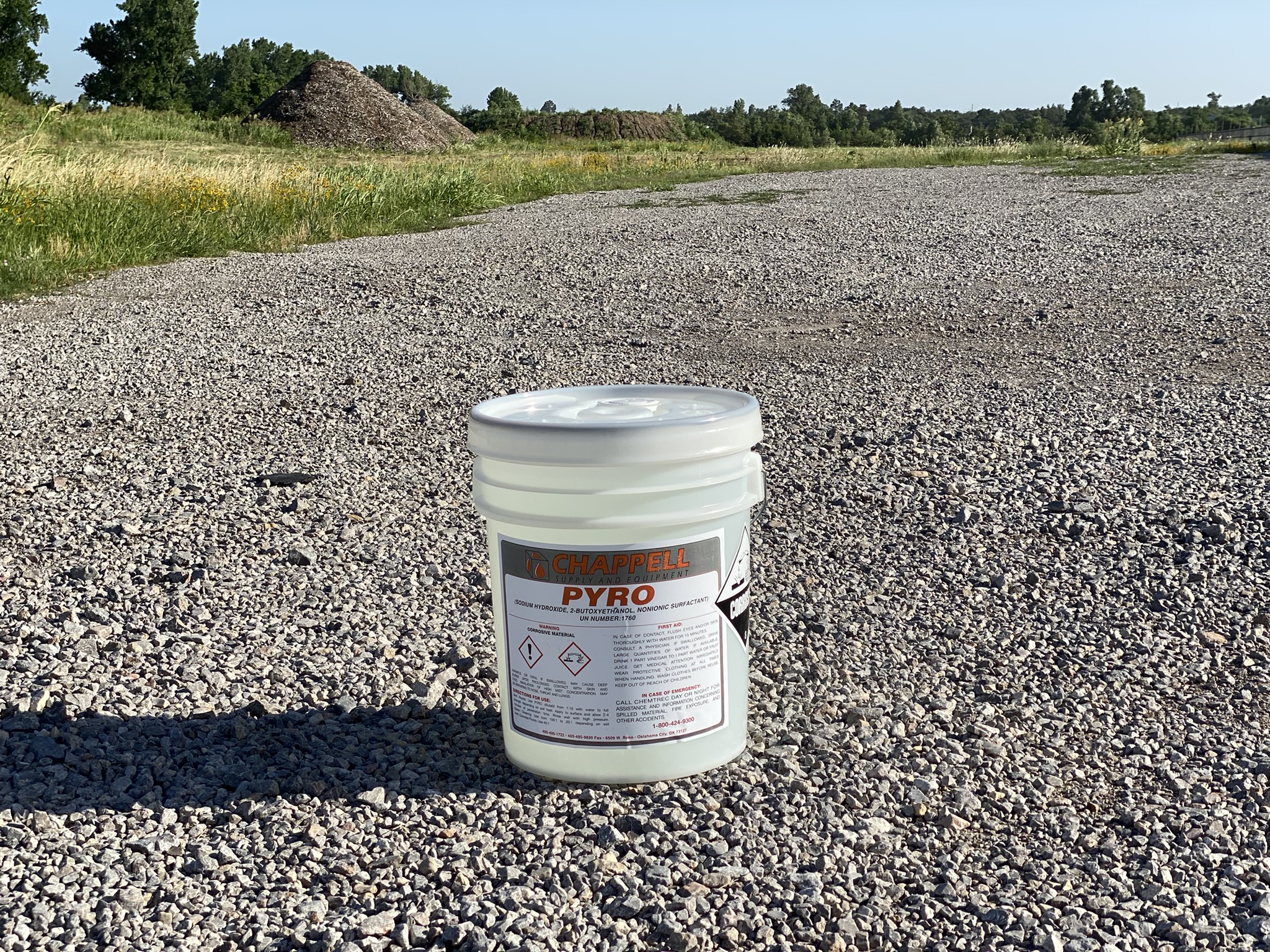
Detergents: Chappell Supply detergents are environmentally friendly, can be used indoors, and are biodegradable. We offer 3 types of detergents: deck & house wash, all-purpose cleaner, and heavy-duty degreaser. All are available in 1 gallon, 5 gallon, and 55 gallon drums.
Hose Reels: Hose reels are a convenient storage solution and can be mounted directly on pressure washer frames or attached to a wall bracket. Several sizes are available.
Telescoping Wands: Clean hard to reach places such as home exterior and gutters, farm equipment and multi-story buildings by using telescopic extended reach wands. Chappell Supply has several lengths to choose from.
Sand Injectors: Wet sand blasting is an efficient and dust free method in removing coatings from steel and concrete surfaces such as rust, paint, and graffiti.
Click here to see more accessories
Depending on my water supply, are there certain pressure washers I should consider?
Yes! If you plan to pull water from a regular garden hose connection, you can use a direct drive pressure washer with a standard filter that’s included with your unit. If you plan to pull water from a tank, we recommend that you use a belt driven pressure washer. The pump on a belt driven pressure washer has better suction capabilities than a direct drive pressure washer.
What creates the pressure on my pressure washer?
The nozzle is what creates pressure. If you have the incorrect nozzle size on your pressure washer you may not get the full potential out of the unit. Always make sure that your pressure washer nozzle is clean and free of debris.
Does Chappell Supply offer trailer mounted pressure washers?
Yes! Chappell Supply custom builds trailers to suit the needs of our customers in either single or dual axle models. Add reliable Chappell Supply equipment to suit your application and you are ready any job! Trailer units are used by heavy construction contractors, factories, well drillers, mines, military bases, road builders, contract cleaners, shipyards, municipalities and food services. Talk to our team about your needs today!
How do I winterize my pressure washer?
The first option is to store your pressure washer in a heated area and not let it freeze. If the unit cannot be stored in a heated area you will need to run RV anti-freeze through the pump. To do this, take a short piece of garden hose with a male garden hose connector and attach to the pump. Attach a funnel to the other end of the hose and fill the funnel with the RV anti-freeze fluid and pull the engine over until you see the colored fluid exiting the pump. It is also very important to drain the high-pressure hose and the gun/wand.
If you are unable to store your pressure washer in a heated area you can purchase a 6 oz container of Chappell Supply pump saver, which comes equipped with a male garden hose connector. Thread the connector onto the pump inlet, remove the pressure washer high pressure outlet hose, and spray the contents by pressing the center cap of the canister. By allowing the entire contents into the pump, the water should be pushed out through the discharge quick connect. The pump saver provides longer pump life, prevents harmful buildup of hard water mineral deposits, preserves seals, pistons and protects against freezing.